


Farming has evolved far beyond traditional practices. Today’s farmers are embracing modern techniques that combine sustainability, productivity, and profitability. One of the key elements in achieving successful farming outcomes is the choice of seeds. Specifically, fruit seeds can determine the health, yield, and quality of the produce. Selecting the right fruit seeds is not just about planting any seed; it’s about choosing varieties that thrive in your climate, soil type, and market demand.
In this guide, we will explore some essential fruit seeds that every productive farmer should consider. These seeds are proven to deliver high yield, disease resistance, and excellent market value.
1. Mango Seeds: The King of Fruits
Mangoes are one of the most profitable fruits for farmers due to their high demand locally and internationally. Choosing quality mango seeds is crucial for productive farming.
Varieties to Consider:
- Alphonso: Known for its sweetness and aroma. Ideal for regions with tropical climates.
- Haden: Resistant to many diseases, with a good shelf life for commercial farming.
- Kent: Offers large, juicy fruits with minimal fiber, perfect for fresh markets.
Tips for Mango Seed Farming:
- Mango seeds germinate best in sandy loam soil with good drainage.
- Ensure the seeds are fresh; old seeds may not germinate efficiently.
- Use grafted seedlings for faster fruiting, usually within 3-4 years.
Mango cultivation requires patience, but with the right seeds, farmers can enjoy high returns over the long term.
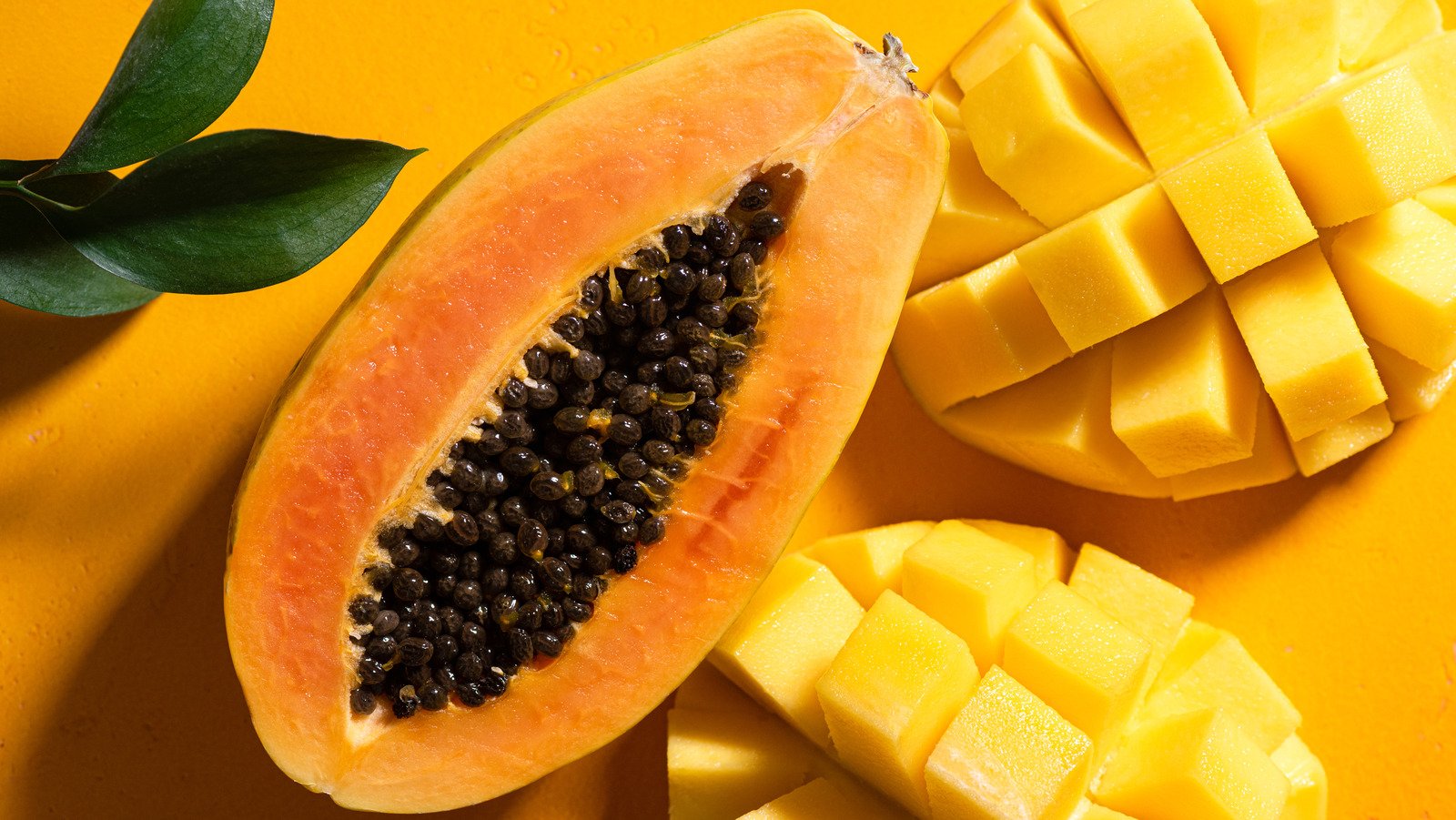
2. Papaya Seeds: Quick Growth, High Yield
Papaya is another highly profitable fruit that grows rapidly and produces fruits year-round. Papaya seeds are easy to grow and are suitable for small and large-scale farming.
Recommended Varieties:
- Red Lady: High yield, disease-resistant, and early fruiting.
- Solo: Compact plant with sweet and vibrant orange flesh.
- Tainung: Produces large fruits and adapts well to different climates.
Farming Tips:
- Plant papaya seeds in well-draining soil enriched with organic compost.
- Papayas need regular watering, especially during dry periods.
- Mulching helps retain soil moisture and protects roots from heat.
Papaya seeds are excellent for farmers looking to start fruit farming with quick returns.
3. Banana Seeds: For Continuous Harvest
Although most commercial bananas are propagated through suckers, banana seeds are gaining attention for experimental and hybrid farming. Some farmers are exploring seed-grown varieties for disease resistance.
Popular Seed Varieties:
- Cavendish: The most common commercial variety.
- Red Banana: Rich in nutrients and has a unique flavor.
- Plantain Seeds: Ideal for cooking and processing.
Tips:
- Banana seeds need tropical or subtropical climates to thrive.
- Use well-drained, fertile soil for optimal growth.
- Implement drip irrigation to maintain consistent moisture.
Bananas provide continuous harvests, making them highly productive for commercial farming.
4. Guava Seeds: A Resilient Choice
Guava is widely appreciated for its nutritional value and market demand. Guava seeds are resilient and can adapt to a variety of soil types and climates.
Varieties to Consider:
- Allahabad Safeda: Juicy, flavorful, and high-yielding.
- Red Malaysian: Unique red pulp with high vitamin content.
- Lucknow 49: Resistant to common pests and diseases.
Farming Tips:
- Guava seeds should be soaked before planting to encourage germination.
- Space the seedlings adequately to allow airflow and sunlight penetration.
- Fertilize regularly for maximum fruit production.
Guava farming with high-quality seeds can ensure year-round productivity and good market returns.
5. Watermelon Seeds: High-Demand Summer Crop
Watermelon seeds are essential for farmers targeting seasonal markets. This fruit grows quickly and provides significant profits, especially during the summer months.
Recommended Varieties:
- Sugar Baby: Small, sweet, and fast-growing.
- Crimson Sweet: High-yielding with disease resistance.
- Charleston Gray: Large fruits, ideal for commercial farming.
Farming Tips:
- Watermelons require sandy loam soil with excellent drainage.
- Keep the soil consistently moist but avoid waterlogging.
- Apply organic fertilizers and compost to improve fruit sweetness and size.
Watermelon seeds are perfect for farmers looking to maximize seasonal profits with minimal investment.
6. Citrus Seeds: Orange, Lemon, and Lime
Citrus fruits like oranges, lemons, and limes are essential for both fresh markets and juice processing industries. Choosing the right citrus seeds ensures disease resistance, productivity, and marketable fruit.
Varieties to Consider:
- Sweet Orange (Valencia): Juicy and widely consumed.
- Meyer Lemon: Combines lemon and mandarin characteristics, ideal for desserts.
- Key Lime: Compact plant suitable for small gardens or farms.
Farming Tips:
- Citrus seeds prefer sandy, well-draining soils with pH 5.5–6.5.
- Protect young seedlings from frost and strong winds.
- Use organic mulch to retain soil moisture and reduce weeds.
Citrus seeds are a long-term investment, producing fruits for years when properly managed.
7. Strawberry Seeds: Niche but Profitable
Though strawberries are often propagated through runners, growing them from seeds offers unique advantages, especially for hybrid varieties. Strawberry farming is highly profitable if managed with care.
Popular Varieties:
- Albion: Sweet, large fruits, perfect for commercial cultivation.
- Seascape: High-yielding and tolerant of various climates.
- Chandler: Ideal for temperate regions with excellent market demand.
Tips for Strawberry Farming:
- Start seeds in seed trays for controlled germination.
- Maintain consistent moisture and temperature during early growth stages.
- Use raised beds or containers for better soil drainage.
Strawberry seeds cater to niche markets and can generate excellent returns for small-scale or organic farmers.
8. Apple Seeds: For Temperate Regions
Apple seeds are a staple for farmers in temperate climates. While grafting is common, growing apples from seeds can help create new, resilient varieties over time.
Varieties to Consider:
- Honeycrisp: Sweet, juicy, and popular in fresh markets.
- Fuji: Large, crisp fruits with long storage life.
- Gala: Early bearing and highly marketable.
Farming Tips:
- Apple seeds need stratification (cold treatment) to break dormancy.
- Plant in well-drained, fertile soil with full sun exposure.
- Prune regularly to encourage healthy growth and fruit production.
Apple seeds are best for long-term farming investments, yielding fruits over decades.
9. Pineapple Seeds: Uncommon but Valuable
Most pineapples are propagated via crowns or slips, but seeds are an option for experimental and hybrid varieties. Pineapple farming can be highly rewarding in tropical climates.
Popular Varieties:
- Smooth Cayenne: Large fruits with high juice content.
- Queen: Sweet, smaller fruits, ideal for fresh markets.
- Red Spanish: Resistant to pests and adaptable to different soils.
Farming Tips:
- Pineapple seeds need well-draining sandy soil.
- Avoid overwatering; pineapples are drought-tolerant.
- Mulch to conserve soil moisture and protect roots.
Pineapple seeds are perfect for farmers looking to diversify fruit crops and experiment with hybrids.
10. Conclusion: Strategic Seed Selection for Maximum Productivity
Choosing the right fruit seeds is foundational to productive and profitable farming. Factors like climate compatibility, soil type, disease resistance, and market demand must guide your selection. Mango, papaya, banana, guava, watermelon, citrus, strawberry, apple, and pineapple seeds are some of the most essential choices for farmers seeking both high yield and sustainable production.
To maximize productivity:
- Research the Market: Plant fruits in demand for better profitability.
- Invest in Quality Seeds: High-quality seeds lead to healthier plants and higher yields.
- Follow Best Farming Practices: Proper soil preparation, irrigation, fertilization, and pest management are crucial.
- Diversify Crops: Planting multiple fruit varieties reduces risks and ensures year-round income.